
October 21, 2026
Planning Right of Way Clearing for Utility Corridors
What Utilities, Municipalities, and Pipeline Owners Should Settle Before a Corridor Is Cleared
Apex Earthworks clears power line, pipeline, and roadway corridors across North Florida to spec, and keeps them that way over time.
Why Corridor Clearing Is Its Own Kind of Job
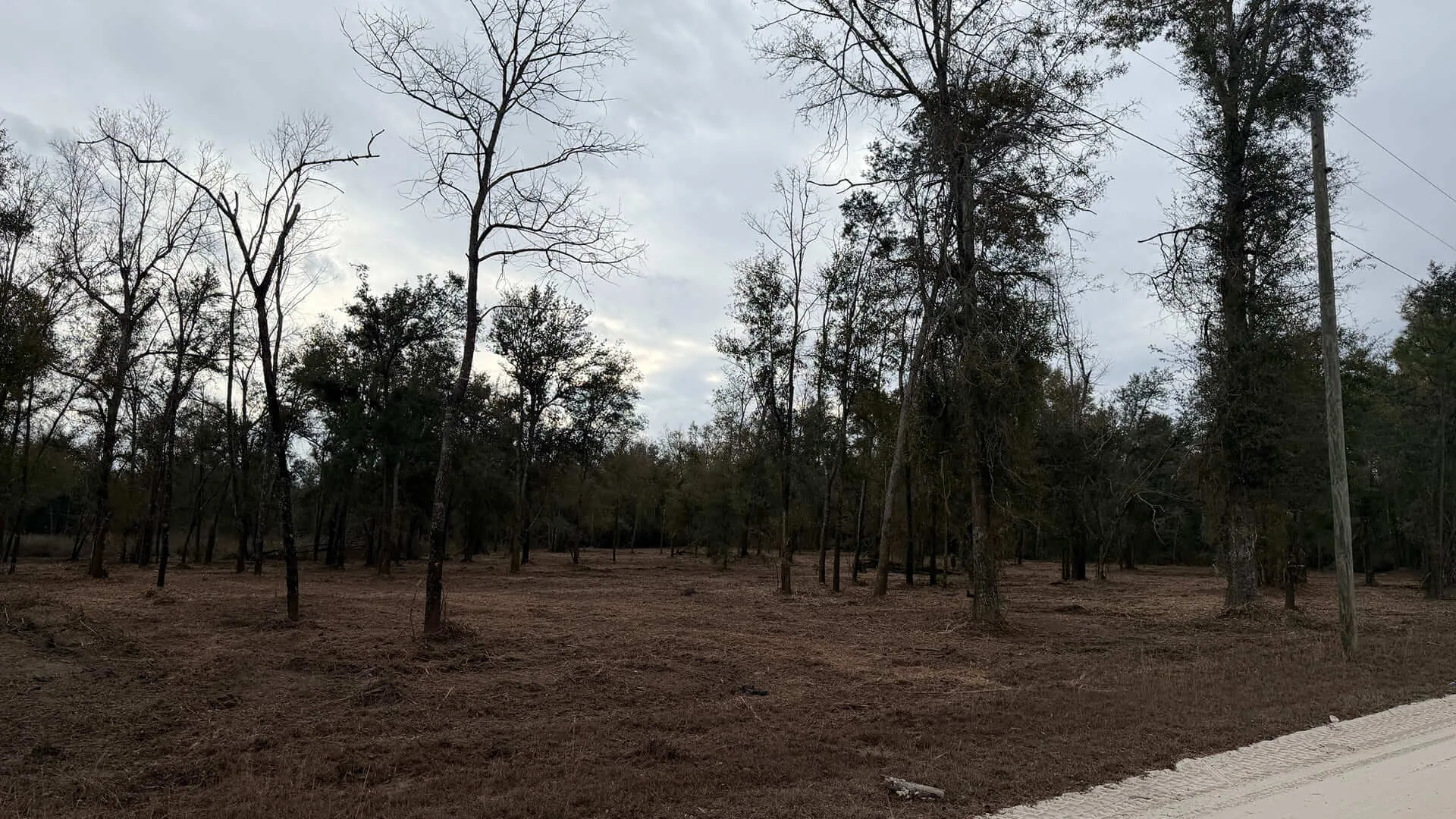
Clearing a right of way is a different animal from clearing a lot. A parcel job ends at the property line; a corridor job follows a defined strip that may run beneath power lines, alongside buried pipe, or through a roadway easement, and the strip has to stay free of trees, brush, and regrowth that threaten access, visibility, or infrastructure integrity. Whether that corridor crosses ranch land near Lake Butler, a roadway easement outside Gainesville, or a transmission line north of Lake City, the work carries real consequences when it is done wrong: outages, access failures, or missed compliance deadlines.
That is why the planning matters as much as the equipment. Most of what decides whether a corridor project goes smoothly is settled before a single machine mobilizes.
What to Settle Before Equipment Mobilizes
Utilities, municipal agencies, civil contractors, and pipeline owners who plan these points up front end up with a corridor that meets spec and is ready for inspection or hand-off:
- Boundaries and easement width: The corridor's limits get confirmed by walking the right of way or reviewing survey data, so clearing stays inside the easement and covers all of it.
- Restrictions tied to active infrastructure: Power lines, marked pipe, depth restrictions, and live roadways each shape how and where equipment can work, and they need to be identified before the crew arrives.
- Clearing width and debris handling: How wide the corridor is cleared and what happens to the cut material should be decided in the scope, not on the ground. High-production forestry mulching can skip hauling and help reduce regrowth.
- Safety and regulatory requirements: The utility, municipality, or agency overseeing the corridor often has its own rules on corridor width, buffer zones, and vegetation setbacks.
- Access points: Where crews and equipment enter the corridor belongs in the scope alongside width and debris handling.
- Schedule ties: Right of way projects often connect to construction timelines, inspection dates, or seasonal vegetation management windows.
- Documentation at hand-off: If the project calls for it, the sign-off package should be agreed in advance so the final walkthrough ends with what the owner needs.
One-Time Clearing or Ongoing Maintenance
A corridor owner should also decide early whether the job is a single clearing pass ahead of construction or a recurring maintenance contract along an existing line. Right of way clearing often requires ongoing vegetation management rather than a one-time pass, because dense North Florida growth and palmetto stands do not stay cut back on their own.
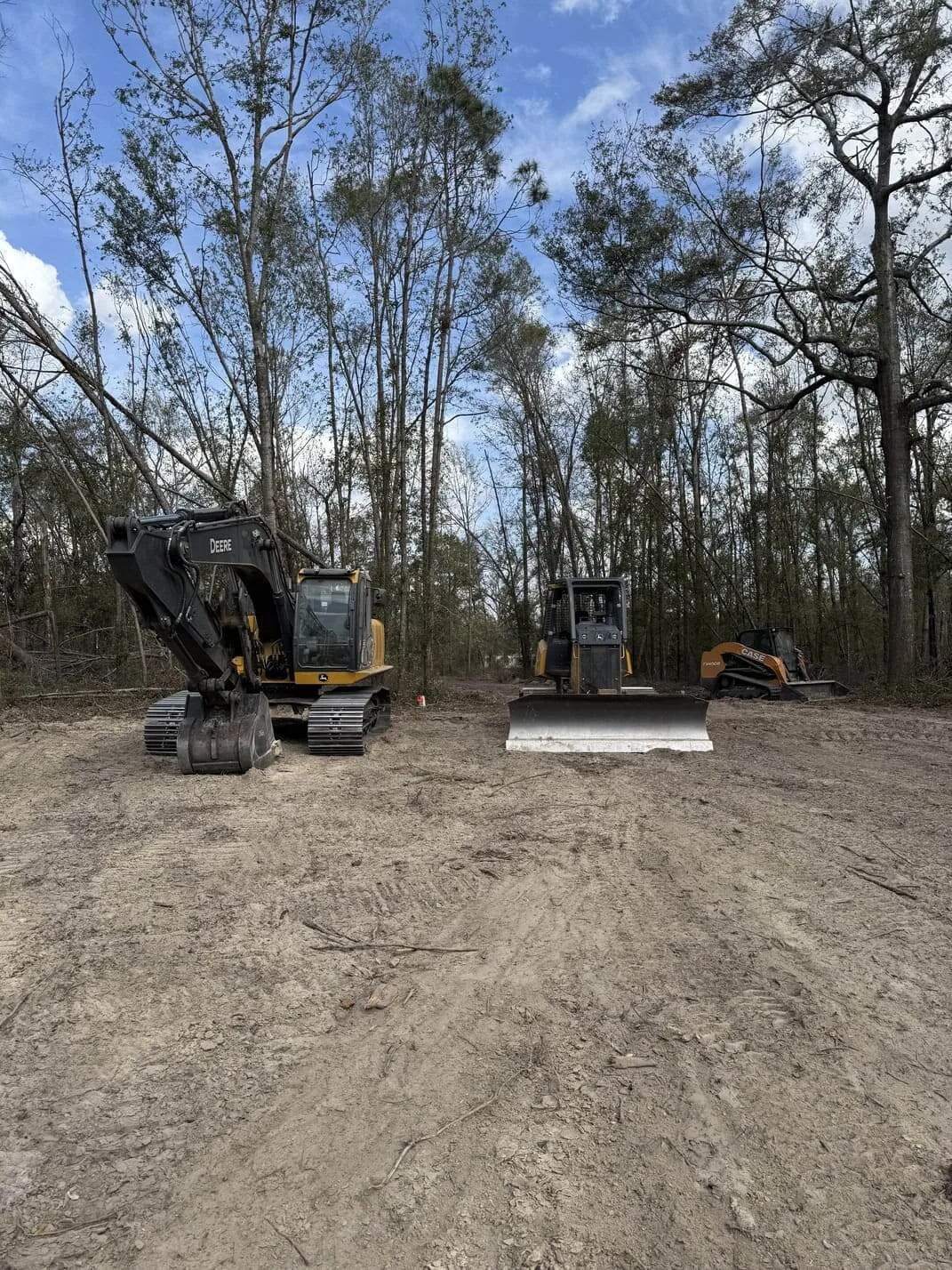
The method follows the corridor. Apex Earthworks combines forestry mulching, targeted brush and underbrush clearing, and full vegetation removal depending on what each stretch demands. Roadway work covers shoulders, easements, and sight-line corridors, while infrastructure clearing is sequenced around active utility work and construction schedules. When a corridor project also needs a new access road or full commercial land clearing, Apex Earthworks handles that work as well.
Questions Corridor Owners Ask Before Clearing Begins
How is right of way clearing different from standard land clearing?
It follows a defined corridor rather than clearing an entire parcel, typically works around active utilities, pipelines, or roadway easements, and often calls for ongoing vegetation management instead of a single pass.
Does Apex Earthworks coordinate with utility and municipal staff?
Yes. Crews coordinate with utility representatives, civil contractors, project engineers, safety officers, and municipal staff on scope, scheduling, and safety requirements, communicating before equipment ever moves.
What affects the cost of a corridor clearing project?
Corridor length, vegetation density, debris handling requirements, and proximity to active infrastructure all factor in. A scoped estimate follows a review of the corridor and any compliance requirements tied to the project.
Keep Your Corridor Clear and Compliant
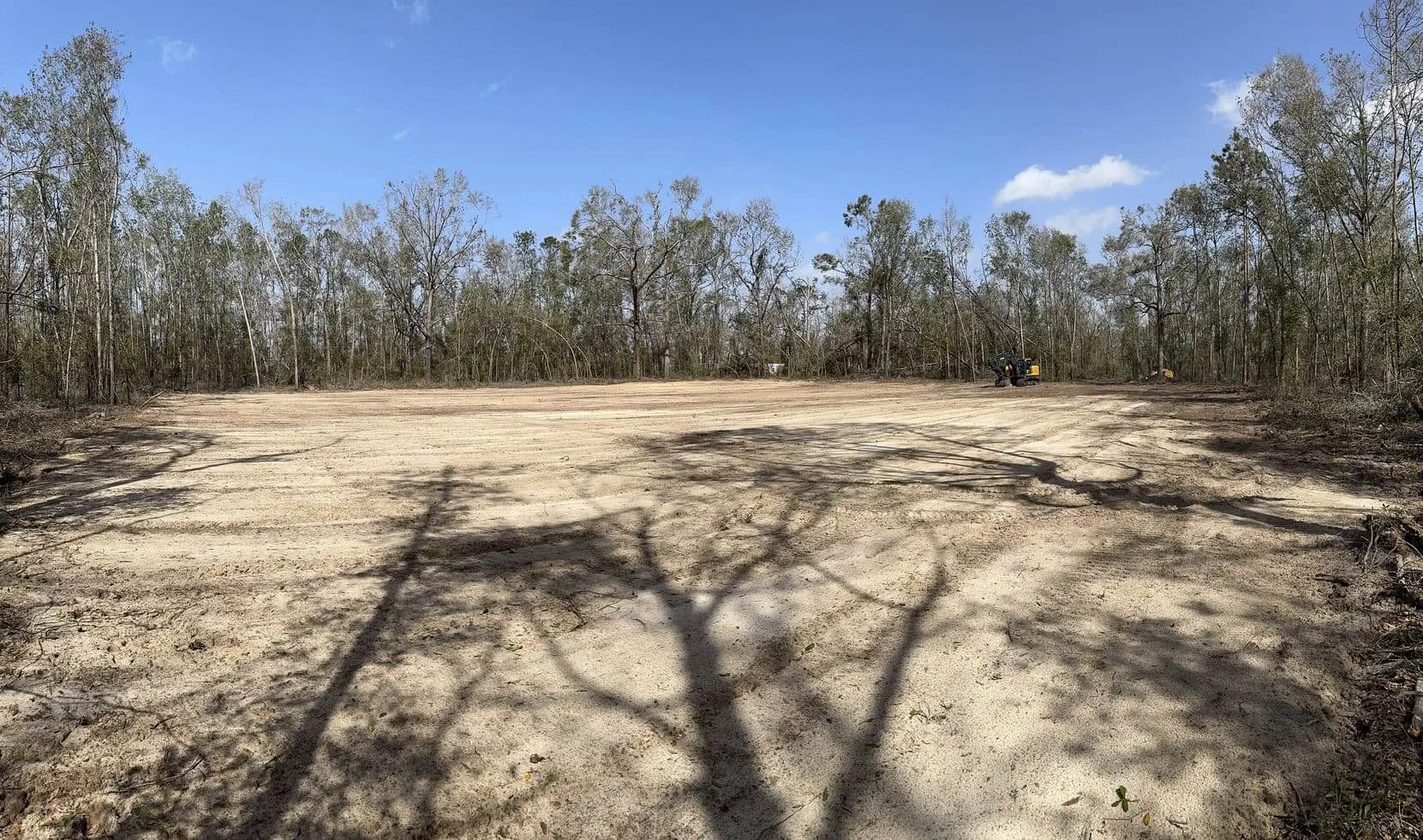
A utility corridor, pipeline easement, or roadway right of way only stays functional if it is cleared correctly and maintained on schedule. Apex Earthworks reviews the corridor, maps the scope and compliance requirements, and works the full length in production passes for right-of-way clearing across Lake City, Live Oak, White Springs, High Springs, and the surrounding 75-mile radius.